
Ethiopian Jazz and Cultural Identity: The Sound of a Nation
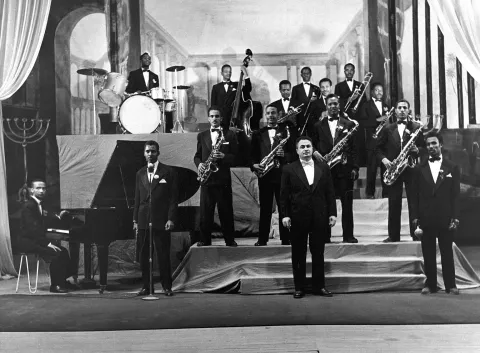
A unique blend of traditional Ethiopian melodies, African rhythms and international jazz influences created a musical identity unlike any other. Known as Ethio-jazz, this remarkable sound has carried Ethiopia's cultural story to audiences around the world.
Imagine the sound of a saxophone blending with traditional Ethiopian melodies, accompanied by hypnotic rhythms and the distinctive pulse of Addis Ababa.
It is familiar, yet unexpected. Traditional, yet modern.
This is Ethio-jazz: a musical expression that captures the creativity, history and evolving identity of Ethiopia.
The Birth of a Unique Sound
Ethiopian jazz developed particularly during the vibrant music scene of Addis Ababa in the 1960s and early 1970s.
Musicians began experimenting with international jazz, funk and soul while drawing inspiration from Ethiopia's distinctive musical traditions.
One of the most influential figures in this movement was Mulatu Astatke, widely recognised as the father of Ethio-jazz.
By combining jazz instrumentation with Ethiopian melodies and rhythms, he helped create a sound that was both internationally influenced and deeply Ethiopian.
One of the defining characteristics of Ethio-jazz is its connection to Ethiopia's traditional musical scales and melodic patterns.
The pentatonic modes known as qenet play an important role in Ethiopian music. These distinctive melodic structures give Ethio-jazz much of its recognisable character. Traditional instruments and musical influences, including the krar, masenqo and regional vocal traditions, have also contributed to Ethiopia's wider musical identity.
The result is a sound that connects the country's musical past with contemporary creativity.
Addis Ababa: The City Behind the Music
During the 1960s and early 1970s, Addis Ababa developed a lively entertainment culture.
Hotels, clubs and music venues became important meeting places for musicians and audiences.
Live performances brought together different musical influences, creating opportunities for experimentation and collaboration.
This creative atmosphere helped establish a generation of influential Ethiopian musicians.
Ethio-jazz became part of a broader cultural moment in which music reflected the changing experiences and aspirations of urban Ethiopia.
For many years, Ethio-jazz remained relatively unfamiliar to international audiences. However, renewed interest in Ethiopian recordings helped introduce the music to a wider global audience. The influential Éthiopiques music compilation series played an important role in bringing classic Ethiopian recordings to international listeners. Today, Ethio-jazz continues to inspire musicians, collectors and music lovers across continents.
Its influence demonstrates how a distinctly local musical tradition can become part of a global cultural conversation without losing its identity.
Preserving the Sound for the Next Generation
Ethiopian music continues to evolve through contemporary artists who combine traditional sounds with jazz, hip-hop, electronic music and other international influences.
Yet preserving older recordings, supporting musicians and teaching traditional musical knowledge remain important.
The challenge is not to freeze Ethiopian music in the past, but to allow it to grow while maintaining its cultural foundations.
A Nation's Identity in Every Melody
Ethio-jazz is more than a musical genre.
It is a story of cultural exchange, creativity and identity.
It demonstrates that traditions do not have to disappear when societies embrace new influences. They can evolve, transform and reach new audiences.
From the historic music venues of Addis Ababa to international concert stages, Ethiopian jazz continues to communicate something powerful about the country's cultural spirit.
Because music does more than entertain. It carries the memories of a people, expresses their identity and gives their heritage a voice that the world can hear.